 Nourivo
Everyday Approaches to Thoughtful Food Selection
Explore educational insights into mindful eating awareness and daily food choices within the United Kingdom context.
Learn more
Introduction to Everyday Food Awareness

Food awareness represents an approach to understanding how we interact with food in our daily lives. It encompasses the recognition of hunger and satiety cues, the cultural significance of meals, and the environmental factors that influence our eating patterns.
In the United Kingdom, food culture reflects a diverse range of traditions and modern influences. From traditional Sunday roasts to multicultural cuisines, the British food landscape offers numerous opportunities to explore different eating approaches and cultural contexts.
Thoughtful food selection involves considering various factors such as nutritional content, sustainability, cultural preferences, and personal circumstances. This educational resource aims to provide contextual information about these aspects without prescribing specific actions or outcomes.
Understanding food choices as part of a broader social and cultural framework helps contextualize eating patterns within everyday life. This perspective acknowledges that food decisions are influenced by multiple factors including availability, tradition, social settings, and individual preferences.
Cultural Perspectives on Eating
Eating practices vary significantly across cultures and communities. In the UK, food traditions reflect historical influences from various regions, including Celtic, Anglo-Saxon, and more recent multicultural contributions.
The concept of meal structure differs across cultures. While some traditions emphasize three distinct meals per day, others incorporate different patterns such as smaller frequent meals or communal dining practices.
Cultural attitudes toward food extend beyond nutrition to encompass social bonding, celebration, and identity. Understanding these diverse perspectives provides context for the varied approaches to eating that exist within modern British society.
Seasonal eating patterns have historically played a role in UK food culture, with certain foods associated with particular times of year. Contemporary food availability has changed these patterns, though seasonal traditions continue to influence cultural food practices.
Daily Food Environment Factors

The food environment encompasses all factors that influence food availability and accessibility. In urban UK settings, this includes supermarkets, local shops, restaurants, and workplace canteens.
Environmental factors affecting food choices include geographical location, transportation access, working patterns, and household composition. These elements create the context within which daily food decisions occur.
Food preparation facilities and time availability also shape eating patterns. Kitchen equipment, cooking skills, and schedule constraints all contribute to how individuals and families approach daily meals.
The social environment influences eating behaviors through family dynamics, workplace cultures, and community norms. These social contexts provide frameworks that shape individual food experiences.
Understanding Food Labels and Choices

Food labeling in the UK provides information about ingredients, nutritional content, and origin. Understanding how to interpret this information forms part of general food literacy.
Various labeling schemes exist, including traffic light nutritional labels, organic certifications, and origin indicators. These systems aim to provide consumers with information to inform their purchasing decisions.
The complexity of food labeling can present challenges in interpretation. Educational initiatives aim to improve public understanding of label information and its contextual meaning.
Food choice involves weighing multiple factors including taste preferences, cost considerations, convenience, and personal values. Label information represents one element within this broader decision-making context.
Social and Family Eating Contexts

Eating often occurs within social contexts, from family meals to workplace lunches and social gatherings. These settings influence both what is eaten and how food is experienced.
Family eating patterns vary widely, influenced by work schedules, cultural backgrounds, and household structures. Some families prioritize shared meals, while others adapt to different schedules and preferences.
The social aspect of eating contributes to its role beyond nutrition. Shared meals facilitate communication, relationship building, and cultural transmission across generations.
Understanding eating as a social practice helps contextualize food decisions within interpersonal relationships and community dynamics. This perspective acknowledges the multifaceted nature of food in daily life.
Explore Our Educational Articles

Everyday Meal Routines and Patterns
An exploration of common meal structures and how they fit into daily life across different UK contexts.
Read article
Social Contexts of Eating
Understanding how social environments and relationships influence eating experiences and food choices.
Read article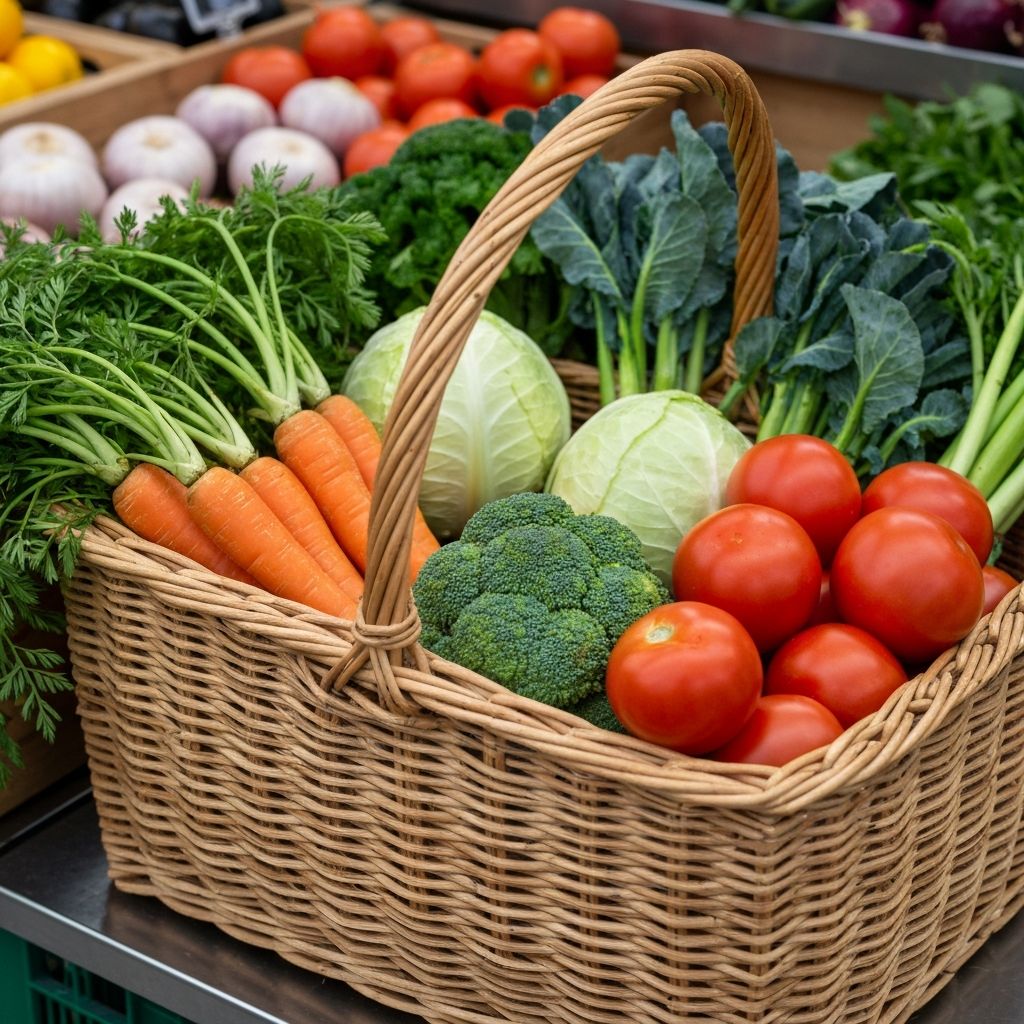
Food Environments and Accessibility
Examining the physical and economic factors that shape food availability and selection in communities.
Read articleFrequently Asked Questions
What is food awareness?
Food awareness refers to the general understanding of how food choices, eating patterns, and cultural contexts interact in daily life. It encompasses knowledge about food sources, preparation methods, and the social aspects of eating.
Is this website providing dietary advice?
No. This website is an educational resource that explains concepts and provides contextual information. It does not offer personalized advice, recommendations, or guidance for individual circumstances.
Who is this information for?
This content is designed for anyone interested in understanding food culture, eating patterns, and the social contexts of food in the UK. It provides general educational material suitable for a wide audience.
How does cultural background influence eating?
Cultural backgrounds shape food preferences, meal structures, cooking methods, and the social significance of eating. The UK's multicultural society encompasses diverse food traditions that reflect varied cultural heritages.
What factors influence daily food choices?
Daily food choices are influenced by multiple factors including availability, cost, time constraints, cooking facilities, cultural preferences, social contexts, and individual circumstances. These factors interact in complex ways within everyday life.
Educational Context and Limitations
Important Information
This website provides general educational information about food awareness and eating contexts. The content is descriptive and contextual in nature.
This resource does not provide medical advice, nutritional counseling, or personalized recommendations. The information presented should not be used as a substitute for consultation with qualified professionals.
Individual circumstances vary significantly, and approaches to food and eating differ across populations and contexts. The content here describes general concepts and does not prescribe specific actions.
If you have specific health concerns, dietary requirements, or medical conditions, please consult with appropriate healthcare providers or registered nutrition professionals.
Continue Exploring
Discover more educational content about food awareness and eating contexts.
Explore articles